
Search This Supplers Products:Magnesium OxideCaustic Calcined MagnesiteDead Burnt MagnesiteFused MagnesiteMgSO4Magnesium Sulphate
HOLY Magnesium 2026: Year in Review
publisherHOLY Magnesium Industry
time2026/12/02

- A 2026 review of HOLY Magnesium: kiln output, product lines, quality systems and 2027 outlook.
HOLY Magnesium 2026: Year in Review
As 2026 draws to a close, it is worth taking stock of what actually changed in the magnesia supply chain rather than what the headlines suggested. For HOLY (CNMGO Group Limited) this was a year defined by three themes: tighter environmental and energy constraints on production in Liaoning, a visible shift in demand from pure refractory volumes toward environmental and agricultural applications, and a marked increase in the documentation burden buyers place on their suppliers. This review summarises what we shipped, what we improved, and what we expect to matter in 2027.
Production and Kiln Performance
Magnesia output is ultimately a function of ore quality and kiln discipline. This year the plant ran CCM campaigns in shaft kilns at roughly 700-1000 C, DBM sintering above 1500 C, and FM campaigns in electric arc furnaces above 2700 C, each scheduled against committed volumes rather than against spot enquiries. The recurring operational lesson was familiar: consistency of feed matters more than peak throughput. Blending ore to a stable target before calcination did more for lot-to-lot uniformity than any downstream adjustment, and it is where most of our process investment went.
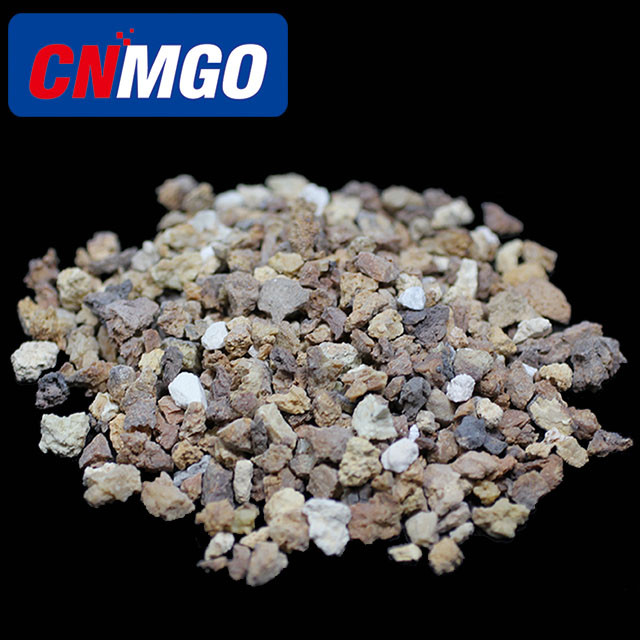
CCM: Environmental and Agricultural Demand
Caustic calcined magnesite had the most diverse year. Environmental buyers - mines, metal finishers and chemical plants - continued to move from caustic soda and lime toward reactive magnesium oxide for acid neutralisation, largely because of the self-buffering pH ceiling and the smaller, easier-to-dewater sludge volume. Agricultural demand clustered around two products: agricultural-grade light burned magnesia at MgO 65-80 percent for soil correction and feed, and kieserite for compound fertiliser and premix programmes. Buyers in both groups asked more often for citric acid activity figures, which is a healthy sign that specifications are maturing.

DBM and FM: Refractory Programmes
Refractory customers bought on campaigns rather than on price alone. Demand concentrated in the established fractions - DBM powder at 325 mesh, granular at 0-4 mm, and lump at 3-5 and 5-15 mm - with fused magnesia reserved increasingly for slag lines and other zones where penetration resistance converts directly into extra heats. The recurring technical conversation was the CaO to SiO2 ratio and bulk density, not the MgO headline number, and we expect that pattern to continue. Customers who qualified two or three grade options rather than one managed the year's price movements far better than those who did not.
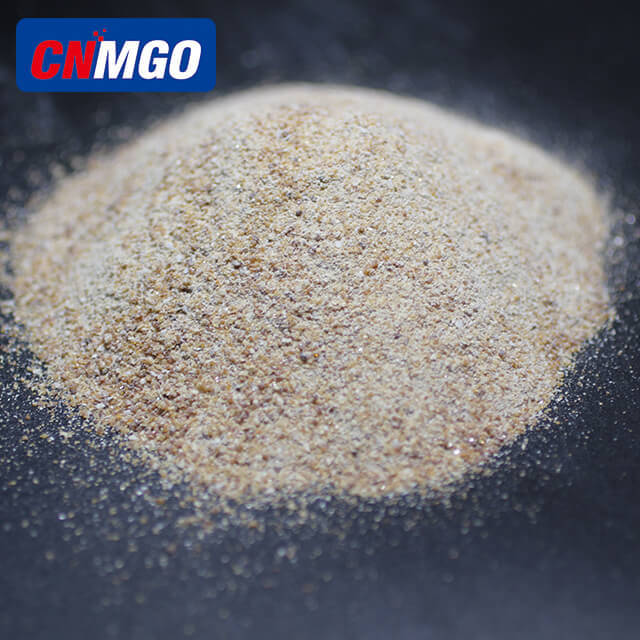
Magnesium Sulphate: Expanding Applications
Our magnesium sulphate monohydrate line moved furthest beyond its traditional base. Fertiliser blends remained important, but a growing share of volume went to animal feed premixes, textile and paper processing, and magnesium oxy-sulphate cement formulations. These buyers specify differently: they ask for water-soluble MgO rather than total MgO, care about chloride and iron, and expect heavy metal screening for feed and food-adjacent routes. Meeting those requirements meant tightening incoming raw material control and reporting more lines on the COA, which we now do as standard at 20, 23 and 25 percent water-soluble MgO minimum.
Quality Systems and Documentation
The single biggest change this year was the rise in documentation expectations. More customers requested lot-level traceability, retained samples, and third-party inspection at load port; more asked us to verify that our ISO certification scope covers magnesia manufacture rather than generic trading. We responded by expanding routine COA reporting - MgO, CaO, SiO2, Fe2O3, Al2O3, loss on ignition and sieve analysis as standard, with heavy metals and citric acid activity on request - and by keeping retained samples for every lot shipped. The retained sample is the cheapest possible insurance against a dispute.
Logistics, Markets and Service Levels
On the logistics side the pattern was consistent with previous years: bookings tightened ahead of holiday periods, peak-season surcharges appeared, and container equipment availability was occasionally the binding constraint rather than production capacity. Shipments continued to move FOB Dalian to more than 50 countries, with packing improved across the range - inner PE liners, stretch-wrapped pallets and desiccant on long, humid routes - after a review of moisture-related claims. Buyers who shared a target arrival date rather than a required shipment date consistently achieved better outcomes, because it allowed production, packing and vessel booking to be sequenced rather than compressed.
Looking Ahead to 2027
Three priorities shape our planning for next year. First, deepen grade qualification support so customers can specify reactivity and impurity ratios with confidence rather than buying on MgO alone. Second, extend packing and moisture control further, since that remains the largest avoidable source of claims. Third, keep production planning visible to customers, so contract volumes and spot requirements can be sequenced against kiln and furnace campaigns. Buyers planning 2027 programmes are welcome to share their grade schedule with our team now; the earlier a volume is placed against a campaign, the more reliably it will be delivered.